
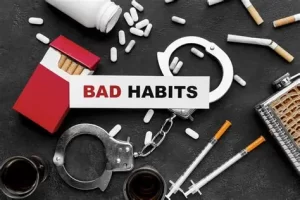
 Many everyday habits begin as simple ways to find comfort, manage stress, or enjoy a little relief. However, some patterns gradually become difficult to control and begin affecting physical health, emotional well being, relationships, and personal responsibilities. This can happen with alcohol and drugs, but it can also involve behaviors such as gambling, gaming, shopping, or excessive internet use. Understanding the difference between a habit and an addiction is important because recognizing the warning signs early can help people find appropriate treatment and begin making meaningful changes.
What Is the Difference Between a Habit and an Addiction?
A habit is a behavior that a person repeats regularly, often without thinking much about it. Habits can be beneficial, such as exercising, reading, or maintaining a consistent bedtime. Others may be less helpful, such as scrolling through social media whenever there is a quiet moment.
An addiction involves a more serious pattern. A person may struggle to control substance use or a particular behavior, even when they understand that it is causing harm. They may repeatedly attempt to stop, experience strong urges, or continue despite problems involving their health, finances, relationships, or work.
The important distinction is not simply how often someone performs an activity. It is whether the behavior becomes difficult to control and creates significant negative consequences.
When a Repeated Behavior Becomes a Problem
Consider someone who enjoys having a drink after work. At first, drinking may seem like an occasional way to relax. However, if that person gradually feels unable to unwind without alcohol, begins drinking more than intended, and continues despite relationship or health concerns, the pattern deserves attention.
A similar situation can develop with gambling or gaming. What starts as entertainment may eventually take priority over family time, sleep, work, or other important responsibilities.
Recognizing these changes does not require labeling someone or making assumptions about their character. It means acknowledging that a behavior may be affecting their ability to live a healthy and balanced life.
Understanding Substance Addictions
Substance addictions involve alcohol, drugs, or certain medications that affect the brain and body. Repeated substance use can influence reward pathways, motivation, impulse control, and decision making. As a result, stopping may become increasingly difficult.
Alcohol Addiction
Alcohol use disorder can develop gradually. Someone may initially drink at social events or to relax after a stressful day. Over time, however, drinking may become a regular response to anxiety, loneliness, frustration, or emotional discomfort.
Possible warning signs include:
- Drinking more or for longer than originally intended.
- Repeatedly trying to reduce alcohol use without success.
- Experiencing strong cravings.
- Neglecting family, work, or personal responsibilities.
- Continuing to drink despite health or relationship problems.
Alcohol addiction can affect sleep, concentration, mood, physical health, and family relationships. Professional treatment can help individuals understand their drinking patterns and develop healthier ways to manage stress and emotional challenges.
People who may be physically dependent on alcohol should seek medical advice before stopping suddenly because withdrawal can be dangerous.
Drug Addiction
Drug addiction can involve opioids, heroin, cocaine, methamphetamine, and other substances. Although the effects vary, repeated drug use can affect physical health, emotional stability, judgment, and everyday functioning.
Some individuals begin using drugs through experimentation or social influences. Others may turn to substances to manage chronic stress, trauma, physical pain, or difficult emotions.
As addiction develops, obtaining and using drugs may begin taking priority over other parts of life. Relationships can become strained, financial problems may increase, and responsibilities may be neglected.
Treatment should consider the substance involved, the person’s physical health, and any underlying mental health concerns. Depending on individual needs, recovery may include medical care, counseling, behavioral therapies, and ongoing support.
Prescription Medication Dependence and Addiction
Prescription medications can provide important relief from pain, anxiety, sleep difficulties, and other health concerns. However, certain medications carry a risk of dependence or problematic use.
Examples include opioid pain relievers, benzodiazepines, prescription stimulants, and some sleep medications.
It is important to distinguish physical dependence from addiction. Someone may develop physical dependence while taking medication as prescribed. This does not automatically mean that the person has an addiction.
Concerns may arise when someone repeatedly takes medication differently from the prescribed instructions, experiences cravings, or continues using it in ways that cause harm.
A qualified healthcare professional can assess the situation and recommend appropriate care. People should not stop or change prescribed medication without medical guidance, especially when withdrawal symptoms may occur.
Understanding Behavioral Addictions and Compulsive Behaviors
Not all harmful patterns involve alcohol or drugs. Some behaviors can become persistent and difficult to control, even when they do not involve a substance.
Behavioral addictions and compulsive patterns can affect emotional health, finances, relationships, and daily routines. However, it is important to distinguish recognized clinical conditions from behaviors that are simply excessive or unhealthy.
Gambling Addiction
Gambling can begin as occasional entertainment. However, problem gambling may develop when a person struggles to stop despite financial losses, emotional distress, or problems with loved ones.
A person may continue betting because they believe another win will recover previous losses. This pattern, sometimes called chasing losses, can lead to increasing debt and greater emotional pressure.
Warning signs include hiding gambling activity, borrowing money to continue betting, neglecting responsibilities, and repeatedly attempting to stop without success.
Professional counseling can help individuals understand the thoughts and emotions behind gambling urges. Financial safeguards and supportive recovery resources may also help rebuild stability and trust.
Gaming and Problematic Internet Use
Gaming and internet activities can provide entertainment, creativity, and social connection. For many people, they are a healthy part of everyday life.
Problems arise when someone repeatedly sacrifices sleep, relationships, education, work, or other important activities to remain online or continue gaming.
Gaming disorder is recognized by the World Health Organization under specific diagnostic criteria. However, spending a lot of time online does not automatically mean someone has an addiction.
Treatment may focus on identifying emotional triggers, establishing healthier routines, improving time management, and addressing concerns such as anxiety, depression, or loneliness.
The goal is to restore balance rather than assume that all technology use is harmful.
Compulsive Shopping
Shopping can become a way to manage uncomfortable emotions. Some people make purchases when they feel lonely, anxious, bored, or disappointed because buying something new offers temporary excitement or relief.
The difficulty is that these feelings may disappear quickly, while the financial consequences remain.
Repeated uncontrolled spending can lead to debt, secrecy, arguments with loved ones, and feelings of guilt. People may also experience difficulty resisting the urge to shop, even when they recognize the consequences.
Counseling can help individuals identify emotional triggers, understand their spending patterns, and develop healthier ways to respond to stress. Setting spending limits, delaying nonessential purchases, and seeking financial guidance may also support recovery.
Compulsive shopping is not automatically a formal addiction diagnosis, but persistent behavior that causes significant harm deserves attention.
Why Do Harmful Habits Become Difficult to Break?
Addiction rarely develops for just one reason. Biological, psychological, and environmental influences can all contribute to the process.
Understanding these factors can help individuals recognize why simply deciding to stop may not be enough.
The Brain’s Reward System
Substances and certain rewarding activities can activate the brain’s reward pathways. Repeated exposure may strengthen associations between a substance or behavior and feelings of pleasure, excitement, or relief.
Over time, cravings and learned responses can make the behavior increasingly difficult to resist. Certain places, people, emotions, and situations may trigger urges even when someone genuinely wants to change.
This does not mean recovery is impossible. With appropriate treatment and support, people can develop new coping strategies and healthier patterns.
Stress, Trauma, and Emotional Pain
Some individuals turn to substances or compulsive behaviors because they provide temporary relief from difficult emotions.
For example, someone experiencing anxiety may rely on alcohol to relax. Another person dealing with grief may spend excessive time gaming or shopping to avoid painful thoughts.
These behaviors may offer short term distraction, but they do not resolve the underlying concerns. In some cases, they create additional stress that makes the original problem harder to manage.
Trauma, depression, loneliness, relationship difficulties, and major life changes may also contribute to harmful coping patterns. Not everyone who experiences these challenges develops an addiction, but they can be important factors to consider during treatment.
Mental Health and Addiction Can Overlap
Addiction and mental health concerns often influence each other. Anxiety, depression, and trauma related symptoms may contribute to substance use or compulsive behavior. At the same time, addiction can increase emotional distress, disrupt sleep, and create conflict within important relationships.
This is why effective treatment should consider the whole person rather than focus only on stopping a particular behavior.
Addressing both addiction and mental health needs can help individuals understand their triggers, improve emotional regulation, and build a more stable foundation for recovery.
Warning Signs That a Habit May Be Becoming Harmful
Recognizing warning signs early can make it easier to seek help before problems become more serious.
Consider speaking with a qualified professional if you or someone you care about:
- Repeatedly tries to stop or reduce a behavior without success.
- Experiences strong cravings or urges.
- Spends increasing amounts of time or money on a substance or activity.
- Uses substances or behaviors primarily to escape difficult emotions.
- Neglects work, education, family, or personal responsibilities.
- Hides the behavior or becomes defensive when someone raises concerns.
- Continues despite physical, emotional, financial, or relationship problems.
- Feels increasingly unable to cope without the substance or activity.
These signs do not establish a diagnosis on their own. A professional assessment can help determine what is happening and identify suitable treatment options.
It is also important to remember that someone does not need to reach a crisis point before seeking support.
How Addiction Treatment Helps People Change Harmful Patterns
Breaking an addictive pattern involves more than avoiding a substance or resisting an urge. It often requires understanding the reasons behind the behavior, addressing contributing mental health concerns, and developing healthier ways to manage everyday challenges.
There is no single recovery plan that works for everyone. Treatment should reflect the individual’s circumstances, health needs, personal history, and goals.
Inpatient Addiction Treatment
Inpatient treatment provides a structured environment where individuals can focus on recovery with fewer everyday distractions.
Depending on the program, services may include counseling, recovery education, support for mental health concerns, and help establishing healthier routines. This level of care may be appropriate for individuals who need more intensive support or a structured setting.
Medical assessment is particularly important when alcohol or certain drugs may cause dangerous withdrawal symptoms.
Outpatient Addiction Treatment
Outpatient treatment allows individuals to receive professional support while continuing to manage responsibilities at home, work, or school.
Care may include individual counseling, group therapy, behavioral interventions, and relapse prevention planning. It can help individuals practice new coping skills while managing the situations and triggers they encounter in everyday life.
The appropriate level of care depends on clinical needs, safety, and the support available outside treatment.
Integrated Mental Health Treatment
When addiction occurs alongside anxiety, depression, trauma, or other mental health concerns, addressing both issues is important.
Integrated treatment can help individuals understand how emotional challenges influence their behavior. Counseling and appropriate mental health care can also provide tools for managing stress, processing difficult experiences, and responding to triggers.
This approach reduces the risk of leaving important concerns unresolved while focusing on addiction recovery.
Holistic and Faith Based Support
Recovery also involves rebuilding daily routines, improving physical wellness, strengthening relationships, and developing a renewed sense of purpose.
Holistic practices may complement clinical treatment through mindfulness, physical activity, stress management, healthy nutrition, and personal growth.
For people who value spirituality, faith based support may provide encouragement, community, hope, and a stronger connection with personal values.
These approaches should reflect individual preferences and complement appropriate medical and mental health care. They are not replacements for necessary clinical treatment.
Practical Ways to Begin Changing Harmful Habits
Recognizing a problem is an important first step. However, making changes can feel overwhelming, particularly when a behavior has become part of someone’s daily routine.
The following strategies can help create a starting point.
Identify Personal Triggers
Pay attention to the situations, emotions, and environments that increase the urge to drink, use substances, gamble, shop, or engage in another harmful behavior.
Common triggers include stress, loneliness, arguments, financial worries, boredom, and exhaustion.
Keeping a simple record of these experiences can help reveal patterns and identify opportunities to respond differently.
Build Healthier Coping Strategies
Instead of relying on one behavior to manage every difficult emotion, develop several healthy alternatives.
Depending on individual needs, these may include:
- Talking with a trusted person or counselor.
- Practicing breathing exercises or mindfulness.
- Maintaining consistent sleep and meal routines.
- Taking part in physical activities suited to personal abilities.
- Spending time with supportive friends and family.
- Returning to hobbies that provide enjoyment and purpose.
These practices can support recovery, although they do not replace professional treatment when it is needed.
Create a Supportive Environment
Recovery can become more manageable when individuals have access to encouragement and practical support.
This may involve spending more time with people who respect recovery goals, reducing exposure to personal triggers, and establishing clear boundaries around harmful situations.
Family members can also play a valuable role by listening without judgment while encouraging professional help.
Seek Professional Guidance
If a behavior repeatedly causes harm or feels impossible to control, consider arranging an assessment with an addiction or mental health professional.
Professional guidance can clarify whether the concern involves addiction, another mental health condition, or a combination of factors. It can also help identify an appropriate level of treatment and support.
Conclusion: Recognizing Harmful Habits Opens the Door to Recovery
The line between an everyday habit and an addiction can become difficult to recognize, especially when a behavior initially provides comfort or temporary relief. Substance use, gambling, gaming, and compulsive shopping can all become serious concerns when they interfere with health, relationships, finances, or personal responsibilities.
However, harmful patterns do not have to define a person’s future. Understanding the factors behind addiction, addressing mental health concerns, and developing healthier coping strategies can create opportunities for meaningful change.
At Acorn Addictions, learning about addiction and available recovery approaches is an important starting point. Whether someone needs inpatient care, outpatient treatment, mental health support, or complementary holistic and faith based resources, the right plan should reflect their individual needs.
If you recognize these patterns in your own life or are concerned about someone you love, consider reaching out to a qualified professional. You do not have to wait until a habit causes serious harm before asking for help. With appropriate guidance and ongoing support, a healthier and more balanced future is possible.
Leave a Reply
You must be logged in to post a comment.